Our plants
This category of plants comprises about 700 species. Although a large number are native to tropical regions, they can be found across the globe.
Carnivorous plants have the ability to lure and capture animals. Since they mostly thrive in nutrient-poor soils, they make up for the deficiency by feeding on their prey.








0000 CHF.-
0000 CHF.-

Our in vitro varieties are grown in our partner laboratories in Thailand.
We are delighted to present you the Drosera anglica.
The meticulous arrangement of its leaves, often forming a rosette, imparts a delicate, almost artistic quality to the plant. The glue secreted to capture its prey forms tiny beads that glisten in the light.
Our in vitro carnivorous plants are highly resilient. Designed for ease of wear, they require minimal care and attention.
They enjoy light and sunshine, but also tolerate shade.
Should you ever require a replacement, we will be pleased to assist you. Simply return your globe in the original gyroscopic container provided with your purchase.
Find out more about the process here.
Your carnivorous plant will accompany you throughout its life. This variety has been carefully selected for its slow and graceful growth, allowing you to observe its evolution over time.
Encased within a sealed in vitro environment, your plant requires no external input. Therefore, opening the sterile dome will compromise its ecosystem and result in the plant’s death.
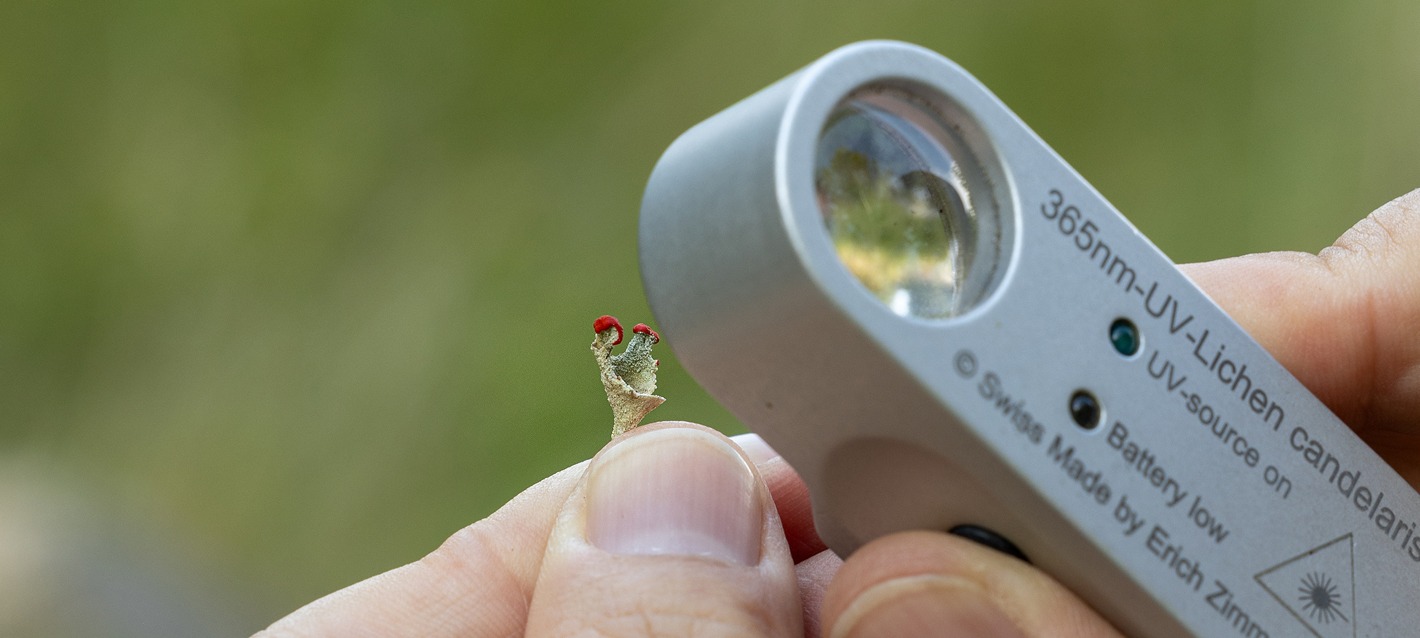
You can enjoy it in everyday life, using the loupe beneath your watch to observe, admire, and follow its growth more closely.
Our recommendations :
Carnivorous plants

COLLECTION
A plant for every style, a choice for every taste.

We use cookies to improve your experience on our site. By using our site, you consent to cookies.
Websites store cookies to enhance functionality and personalise your experience. You can manage your preferences, but blocking some cookies may impact site performance and services.
Essential cookies enable basic functions and are necessary for the proper function of the website.
These cookies are needed for adding comments on this website.
Google reCAPTCHA helps protect websites from spam and abuse by verifying user interactions through challenges.
These cookies are used for managing login functionality on this website.
Statistics cookies collect information anonymously. This information helps us understand how visitors use our website.
SourceBuster is used by WooCommerce for order attribution based on user source.